Best AI for Health & Wellness: Choose the Right Fit
What is the best AI for health and wellness?
The best AI for health and wellness is the one that matches your goal and the level of guidance you actually want—daily habit coaching, workout planning, nutrition tracking, sleep support, stress relief, or early risk awareness. There isn’t a single “winner” for everyone, because wellness is personal and the most useful tools are the ones you’ll use consistently.
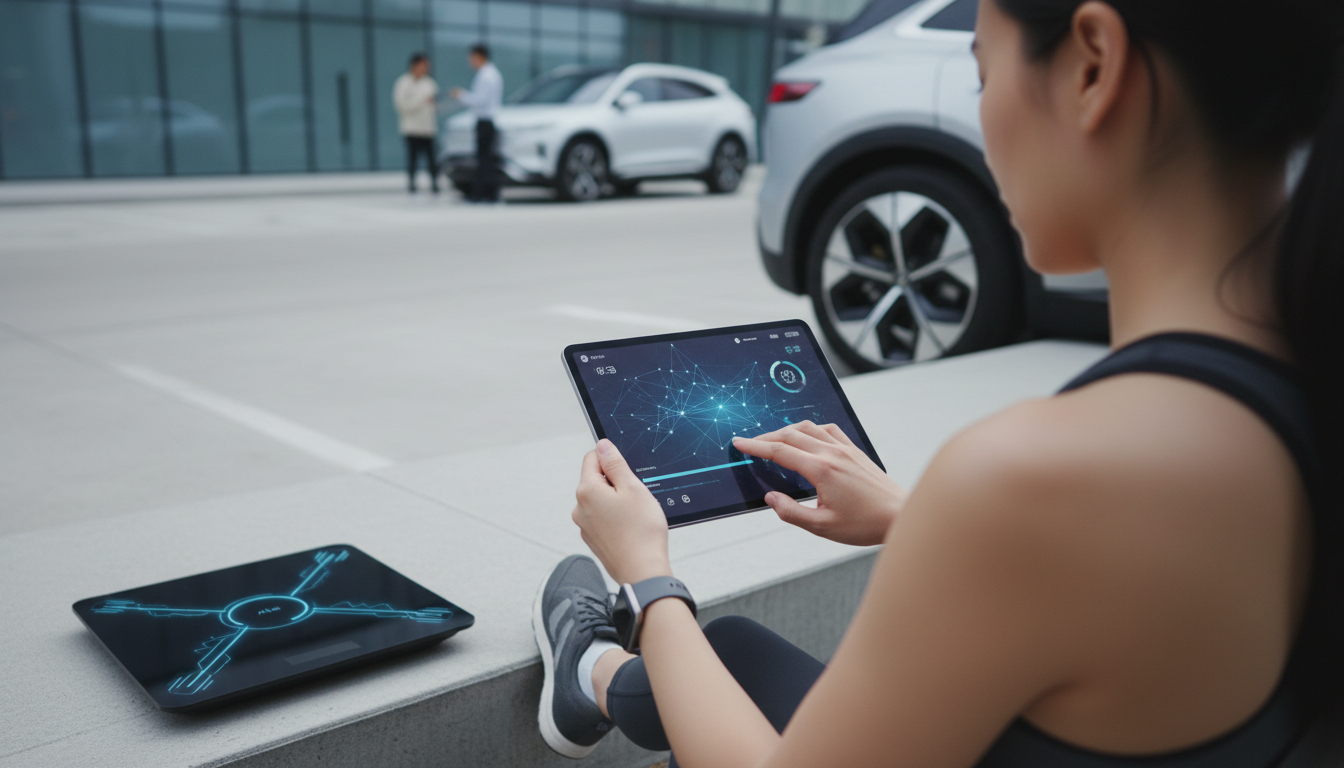
For most people, the strongest option is a combination: a trusted wearable or app for objective data (sleep, heart rate, activity, recovery) plus an AI assistant that can turn those signals into simple next steps. Look for AI that can summarize trends, recommend realistic routines, and help you adjust when your schedule changes—without pushing extreme plans.
What to look for in a great wellness AI
Personalization that adapts: The AI should learn your baseline over time (sleep patterns, training load, stress) and suggest small changes rather than one-size-fits-all advice.
Actionable output: Clear, specific recommendations beat long explanations—think “10-minute walk after lunch,” “earlier caffeine cutoff,” or “two recovery days this week.”
Evidence-informed guidance: The best tools lean on broadly accepted health principles and encourage professional care for medical concerns rather than diagnosing.
Privacy controls: Wellness data is sensitive. Favor platforms that let you manage permissions, export/delete data, and limit sharing.
Best use cases (and which AI style tends to fit)
Daily habit building: An AI coach that checks in, sets reminders, and offers accountability can be ideal for hydration, steps, mindfulness, and consistency.
Fitness and recovery: Wearable-driven analytics paired with AI insights helps balance training intensity with sleep and recovery signals.
Nutrition support: AI works best for meal ideas, grocery planning, and pattern spotting (like protein or fiber gaps) rather than strict dieting.
Stress and sleep: Tools that blend guided breathing, bedtime routines, and sleep trend summaries tend to deliver the most immediate benefits.
For a practical, step-by-step approach to choosing and using AI responsibly for self-care and prevention, see this guide: AI-assisted personal wellness, self-care, and prevention guide.
FAQ
Can AI replace a doctor for health advice?
No. AI can support healthy habits and help you understand trends, but it shouldn’t diagnose conditions or replace professional medical care—especially for symptoms, medications, or chronic disease management.



Leave a comment